Structured interview: a plain-language definition for hiring teams
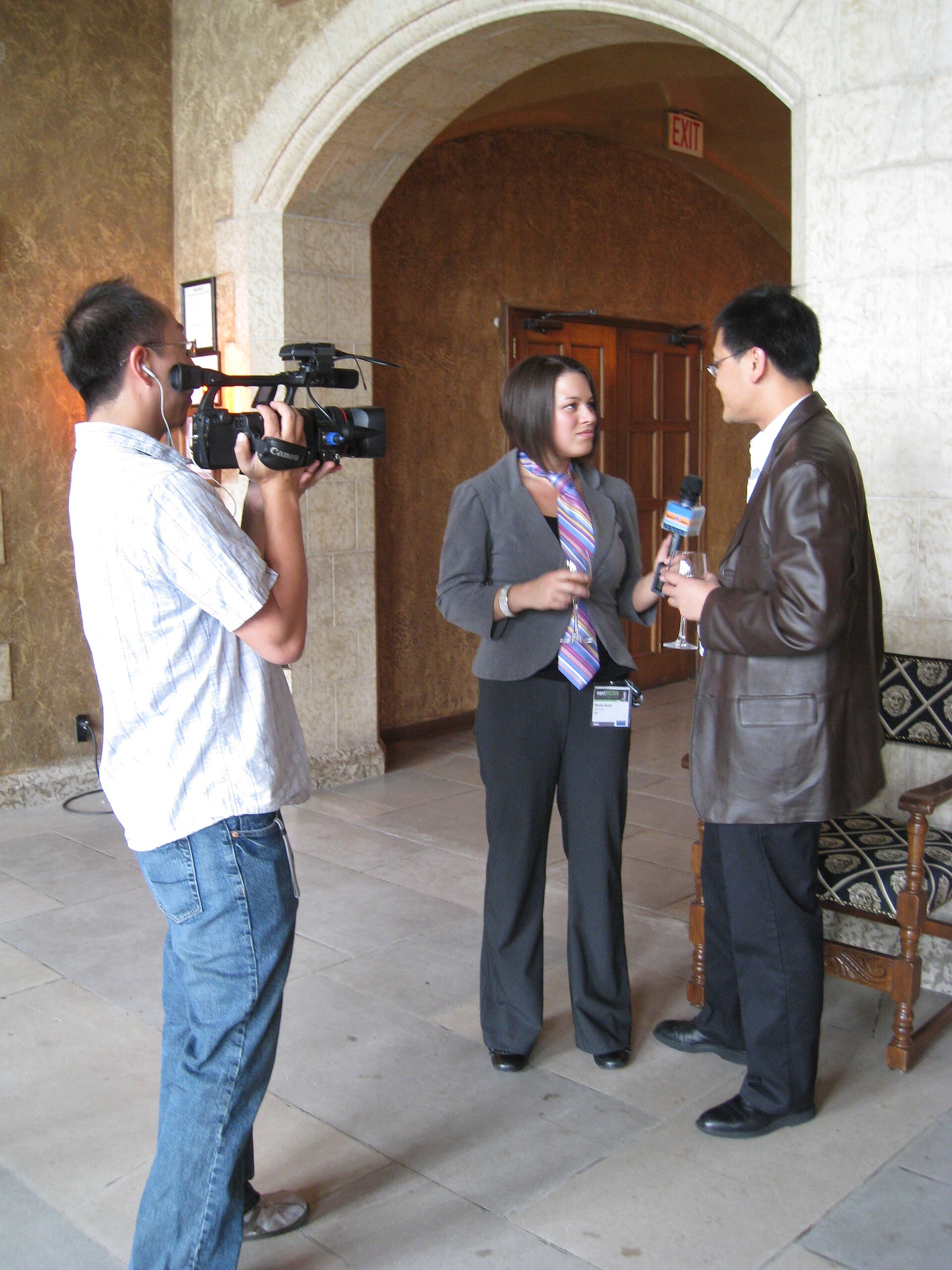
A structured interview is an interview in which every candidate for the same job is asked the same predetermined questions, in the same order, and every answer is scored on the same rating scale, against the same written standards for what counts as a good answer.
That is the whole definition, and it is worth reading twice, because every word in it is doing a job. The U.S. Office of Personnel Management (OPM), which sets hiring policy for the federal government, describes it the same way: a structured interview uses a standardized questioning and scoring process for all candidates, so that all candidates are asked the same predetermined questions in the same order and their responses are evaluated using the same rating scale and standards for acceptable answers [1]. OPM's longer definition adds the purpose: it is an assessment method designed to measure job-related competencies by asking systematically about a candidate's behaviour in past experiences and in proposed hypothetical situations [2]. The rest of this page unpacks the one-sentence version clause by clause, so that a hiring team can tell, in the room, whether what they are doing counts as structured or not.
"The same predetermined questions"
The first clause is about the questions, and the key word is predetermined. The questions are written before the first candidate is interviewed, and they are written from the job, not from the resume in front of you. OPM's guidance puts it plainly: questions are developed by subject-matter experts based on job-related competencies, and every candidate is asked the same ones [2]. In practice, that means the panel agrees on four or five questions that each test one thing the job actually needs — for example, "Tell me about a time you had to deliver bad news to a customer" tests composure and communication, and it tests them for every candidate or for none.
Here is what that looks like in a real hiring round. A team hiring a customer success lead writes five questions on a Monday, one per competency, and prints the same sheet for every interview that week. Candidate one and candidate four hear the same opening question, worded the same way. When the panel meets afterwards, they are comparing answers to the same question, which is the only comparison that means anything.
What it is not: a conversation that wanders. If the interviewer looks at a resume, finds an interesting job title, and spends ten minutes on it, that is not a structured question, even if the conversation was fascinating. It is also not a list of questions that changes because the first candidate was strong and the second one needs "a harder test." The questions are fixed before anyone walks in, and they stay fixed. Follow-up questions are allowed — "Can you say more about what you did next?" — but the core questions are the same for everyone, because the moment the questions differ, the scores stop being comparable.
"In the same order"
The second clause is the one teams most often skip, because it feels like a small detail. It is not. Asking the same questions in a different order is a different interview. The first question sets the tone, the hard question lands differently after a warm-up than it does cold, and a candidate who gets the difficult question last has had twenty minutes to relax into the conversation while a candidate who gets it first has had none. OPM lists same order as one of the standardised features, next to same questions and same scale, and for the same reason: comparability depends on the experience being the same, not just the content [2].
In the room, this clause is easy to keep and easy to lose. It is kept by printing the questions in order and numbering them, and by the panel agreeing that nobody reorders them on the fly because a candidate "seems ready" for question four. It is lost quietly, when one interviewer starts with the technical question because the candidate's background invites it, and another starts with the behavioural question because that is their habit. Both interviews felt thorough. Neither can be fairly compared with the other, because the candidates were not given the same interview.
What it is not: rigidity for its own sake. Keeping the order does not mean reading questions like a robot, and it does not forbid a natural follow-up. It means the skeleton is the same for everyone. A panel that keeps the order can still be warm, curious, and human. A panel that does not keep it has stopped doing structured interviews, even if the questions on the page are identical.
"The same rating scale, and the same standards"
The third clause is where most structured interviews quietly fail. A team can ask the same questions in the same order and still not be structured, because the scoring is where the subjectivity hides. OPM's definition requires that responses are evaluated using the same rating scale and standards for acceptable answers [1]. A scale without standards is a mood ring: one interviewer gives a four because the answer felt strong, another gives a two because the same answer felt thin, and nobody can say who is right.
The fix is to write down, before the interviews, what a weak, an acceptable, and a strong answer contain for each question. These are called behavioural anchors, and they are the difference between a score and an opinion. For the bad-news question above, a weak answer might blame the customer, an acceptable answer might describe the conversation accurately, and a strong answer might show the candidate taking responsibility, offering a remedy, and following up afterwards. With anchors like that on the page, two interviewers can disagree about a score and resolve it by pointing at the words, not by arguing about a feeling.
What it is not: a score given after the panel has already decided. If the panel discusses the candidate first and then fills in the numbers to match the discussion, the scale is decoration. Scores are recorded during or just after each interview, before the panel talks, so that each answer stands on its own evidence. This is also why the scale needs to be small and plain — three to five levels, with a sentence each — rather than a ten-point scale nobody can define. A scale nobody can define is a scale nobody can use consistently.
"A panel that reaches consensus"
The fourth part of the definition is about who is in the room. Structured interviews generally have more than one person doing the interviewing, and all interviewers must come to a consensus on the ratings they give a candidate's response [1]. The panel exists because one person's judgement, even a careful one, is one sample. Two or three interviewers, scoring independently and then comparing, catch what one person misses: the follow-up nobody asked, the strength that looked like a weakness, the answer that sounded good but did not actually address the question.
Consensus does not mean the loudest interviewer wins. It means the panel starts from the independently recorded scores and the notes behind them, and works through the differences one question at a time. The note matters as much as the number: OPM's guidance expects interviewers to take detailed notes on candidates' responses, because a score without a note cannot be defended or revisited [2]. A panel that scores together, out loud, in real time, is not reaching consensus. It is reaching the first confident opinion, and the rest of the panel is agreeing with it.
What it is not: a vote. Consensus is not three people raising hands for their favourite. It is a discussion anchored in the written standards, where a low score has to be explained with the same evidence a high score does. If one interviewer scored a candidate low on communication and the notes show a clear, well-organised answer, the notes win and the score moves. That is the whole point of writing the standards down in the first place.
Why the structure matters
OPM connects structure and standardisation with four things: validity, reliability, fairness, and practicality [2]. Validity, because questions tied to job competencies measure the job rather than the interviewer's taste. Reliability, because the same process applied the same way gives comparable results. Fairness, because every candidate gets the same opportunity to show the same things, which is also why the method is more defensible if a hiring decision is ever challenged. And practicality, because a process that is written down can be taught, repeated, and improved, while a process that lives in one interviewer's head cannot be handed to anyone else.
None of that makes a structured interview cold or mechanical. The structure is the frame, not the conversation. Inside the frame there is room for warmth, for follow-ups, for a candidate to surprise you. The frame exists so that the surprise is judged on the same terms as everything else, and so that the candidate who interviewed on Tuesday morning is measured against the same questions, in the same order, on the same scale, as the candidate who interviewed on Friday afternoon.
Say it in the room
If you need to explain this to a panel in thirty seconds, before the first interview of the day, here is the version to use. "We are doing a structured interview. Everyone gets the same five questions, in the same order. Score each answer on the one-to-five scale on your sheet, using the examples printed under each question, and write a line of notes for every score. Do not discuss the candidate until everyone has scored. When we meet, we start from the scores and the notes, and we change a score only when the notes say so." That is the definition, turned into instructions. If the panel can follow those five sentences, the interview is structured. If they cannot, the problem is not the definition. It is the discipline, and discipline is the part the definition cannot supply.
Sources
- U.S. Office of Personnel Management, "How do structured interviews differ from other types of job interviews?" — "A structured interview uses a standardized questioning and scoring process for all candidates. This means that all candidates are asked the same predetermined questions in the same order, and all candidates' responses are evaluated using the same rating scale and standards for acceptable answers. Also, structured interviews generally have more than one person doing the interviewing (called a 'panel'), and all interviewers must come to a consensus on the ratings (scores) they give a candidate's response." https://www.opm.gov/frequently-asked-questions/assessment-policy-faq/structured-interviews/how-do-structured-interviews-differ-from-other-types-of-job-interviews/
- U.S. Office of Personnel Management, "Structured Interviews" (Structured Interview Guide) — "An assessment method designed to measure job-related competencies by inquiring systematically about a candidate's behavior in past experiences and in proposed hypothetical situations"; key standardised features (questions developed by subject-matter experts from job competencies; same predetermined questions in the same order; panel interviewers take detailed notes; responses evaluated on the same rating scale with standards for acceptable answers); structure and standardisation matter for validity, reliability, fairness, and practicality. http://www.opm.gov/policy-data-oversight/assessment-and-selection/structured-interviews/structured-interviews.pdf
Run this on your own hiring data
A six-week recruiting pilot measures exactly these things — parser accuracy, reviewer agreement, time per application and compliance records — on your role family, with your reviewers, before you decide anything.